
Your water bill jumped this month and you can’t explain why. There’s a warm patch on the living room floor near the wall. Somewhere under the house, you can hear water running — but you haven’t turned anything on.
These are classic signs of a slab leak. In San Diego, where many homes were built on concrete slab foundations in the 1950s through the 1970s, slab leaks are one of the more common and costly plumbing problems homeowners face. The issue isn’t always dramatic at first — but left unaddressed, a slab leak can silently damage your foundation, create mold behind walls, and drive your water bill up by hundreds of dollars a month.
This guide walks through what a slab leak detection is, why San Diego homes are particularly vulnerable, what the warning signs look like, and what to expect from detection and repair.
What Is a Slab Leak?
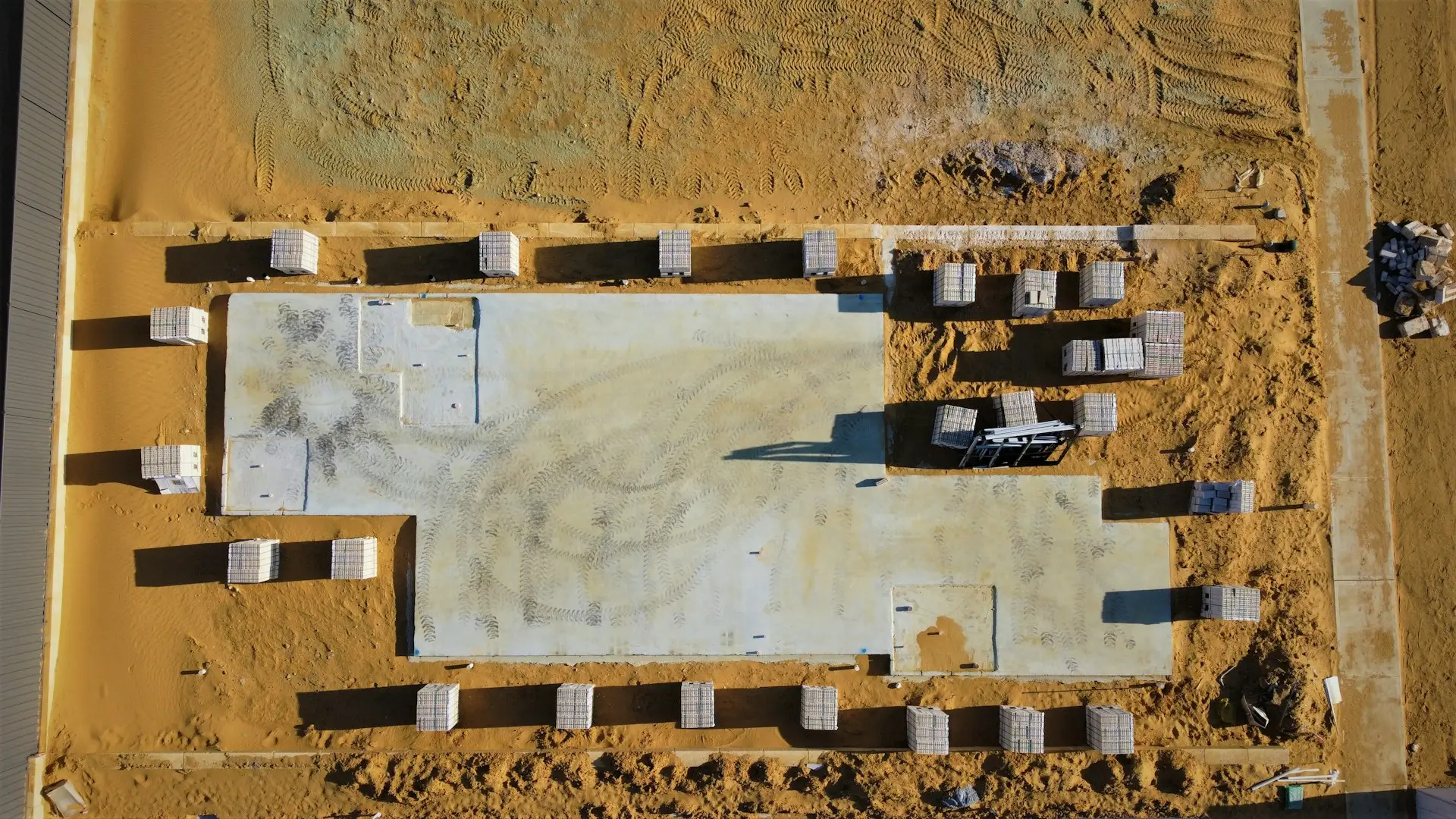
A slab leak is a leak in the water supply or drain lines that run beneath the concrete foundation of your home. These pipes are either embedded directly in the slab or run in shallow trenches directly beneath it. When one develops a crack, pinhole, or joint failure, water seeps into the concrete and the surrounding soil.
There are two main types: pressurized supply line leaks (which can lose significant water volume quickly) and drain line leaks (which are slower but just as damaging over time). Supply line leaks are usually easier to detect because of visible pressure drops and rising water bills. Drain line leaks may go unnoticed for months.
Why San Diego Homes Are Particularly Vulnerable
Several factors make San Diego homes more prone to slab leaks than homes in other parts of the country:
- Older copper piping: Homes built in the mid-20th century used copper supply lines that are now 60 to 80 years old. Copper pipes develop pinhole leaks as they age, especially in areas with hard, mineral-heavy water.
- Hard water and scale buildup: San Diego’s water supply is among the harder municipal water systems in California. The minerals in hard water — primarily calcium and magnesium — cause scale to build up inside pipes, restricting flow and creating stress on pipe walls.
- Expansive soils: Parts of San Diego County have clay-heavy soil that expands when wet and contracts when dry. This movement puts pressure on slab foundations and can shift or crack the pipes running beneath them.
- Seismic activity: Southern California’s seismic history means slab foundations experience occasional ground movement, which can stress underground pipe joints.
For pipes that have suffered internal damage from scale or aging, pipe lining and pipe descaling are options that can rehabilitate the line without full replacement.
Warning Signs of a Slab Leak in Your Home
Slab leaks rarely announce themselves clearly. More often, they reveal themselves gradually through a combination of smaller signals. The most common warning signs include:
Unexplained increase in your water bill
If your household usage hasn’t changed but your water bill has climbed noticeably, water is going somewhere. A steady slab leak can waste hundreds of gallons per day without surfacing visibly.
Sound of running water with nothing turned on
If you can hear water running through your walls or floors when all faucets and appliances are off, it’s a strong indicator of a pressurized line leak beneath the slab.
Hot spots on the floor
A hot water supply line leak beneath the slab will warm the concrete directly above it. If you notice a warm patch on your tile or hardwood floor — especially near a bathroom or kitchen — a slab leak is a likely cause.
Cracks in walls or flooring
Water migrating upward through concrete can cause floor tiles to buckle, hardwood to warp, and drywall to crack. These signs often appear far from the leak source because water spreads horizontally through the slab before surfacing.
Mold, mildew, or musty odors
Moisture beneath a slab creates ideal conditions for mold growth, particularly in wall cavities and under baseboards. A musty smell in a specific room — especially one with no obvious moisture source — warrants investigation.
Low water pressure
A significant leak in a pressurized supply line will reduce water pressure at your fixtures. If your shower pressure has dropped noticeably without any recent changes to the plumbing, it’s worth checking for a leak.
What Happens If You Ignore a Slab Leak
Slab leaks do not resolve on their own. A small pinhole leak becomes a larger crack over time. The longer it goes undetected, the more damage accumulates:
- Foundation damage: Water weakens the concrete and can undermine the soil beneath the slab, causing settlement, cracking, or structural shifting
- Mold growth: Chronic moisture creates ongoing mold risk inside walls and under flooring, which is both a health concern and a remediation cost
- Flooring and drywall damage: Water saturation damages finishes, requires replacement, and can involve significant repair costs
- Elevated water bills: An undetected slab leak can cost hundreds of dollars per month in wasted water
Early detection dramatically limits the scope of damage and repair cost. A professional leak detection visit is far less expensive than the remediation that follows months of ignored moisture damage.
How Slab Leaks Are Detected and Repaired
Professional slab leak detection uses non-invasive electronic and acoustic equipment to locate the exact position of the leak without tearing up flooring or concrete. The process typically involves:
- Pressure testing to confirm there is in fact a leak in the pressurized system
- Electronic amplification to listen for the sound signature of escaping water beneath the slab
- Infrared or thermal imaging to identify temperature anomalies caused by hot water leaks
- Line tracing to map the pipe layout and narrow down the leak location
E-Drains provides professional leak detection services across San Diego County. Once the leak is located, repair options depend on the pipe’s age and condition. Common approaches include spot repair (accessing the pipe directly at the leak), pipe lining (epoxy coating the interior), or full re-routing above the slab for severely degraded lines.
If the slab leak has also caused damage to your sewer system or drainage, sewer line repair and a camera inspection may be part of the same service call.
Contact E-Drains If You Suspect a Slab Leak
If you’re seeing any of the signs above, don’t wait for the damage to worsen. E-Drains serves homeowners throughout San Diego County, including La Mesa, Lemon Grove, Ramona, and surrounding communities, with professional leak detection and repair services.
Call (844) 353-7246 or visit the plumbing San Diego page to learn more about the services available in your area. Early detection is the best way to protect your home and control repair costs.
Frequently Asked Questions About Slab Leaks in San Diego
How do I know if I have a slab leak or just a regular plumbing leak?
The key indicator is the combination of a rise in water bills, water sounds inside the slab or walls, and warm or wet spots on the floor without any visible source. A plumber can perform a pressure test to confirm a leak in the supply system and use electronic detection to locate it beneath the slab.
How much does slab leak detection cost in San Diego?
Detection typically runs $150 to $400 depending on the tools required and scope of the search. Repair costs vary widely based on the access method, pipe material, and extent of the leak. E-Drains provides upfront estimates before beginning any work.
Can a slab leak be repaired without breaking up the concrete?
Often, yes. Trenchless methods like pipe lining apply an epoxy coating to the interior of the damaged pipe from access points at either end, eliminating the need to break up the slab. Spot repairs require a targeted concrete opening at the exact leak location, which is far less invasive than full slab excavation.
Is a slab leak covered by homeowners insurance in California?
It depends on your policy and the cause of the leak. Sudden and accidental leaks are often covered; gradual leaks due to age and wear typically are not. The damage caused by the leak (flooring, drywall) may be covered even if the pipe repair itself is not. Contact your insurer before beginning repairs to understand your coverage.
How long does slab leak repair take?
Detection typically takes two to four hours. Spot repair with limited concrete access is usually a one-day job. Full re-routing above the slab can take one to three days depending on the complexity. Pipe lining is typically completed within a day.
What happens if a slab leak is not fixed?
Unresolved slab leaks cause progressive damage to the foundation, create chronic mold conditions inside the home, destroy flooring and drywall, and produce ongoing high water bills. Over months, the repair scope and cost increase substantially. Early intervention is almost always the less expensive path.
Contact E-Drains Today
Whether it’s a clogged drain, backed-up sewer, or plumbing emergency, E-Drains is the name San Diego trusts for quality service and dependable results. Call today or request an appointment online to keep your water flowing — the right way. And be sure to check out our specials!
👉 Call E-Drains today!
📞 Call Us: 844-35-DRAIN (844-353-7246)
✅ Available 24/7 across San Diego County
🌐 Book Now: Schedule your inspection
⭐ Read Our Reviews: Google Business ProfileHave a question? Check out our FAQ’s page or call us today!